Titanium vs Aluminum Grinders: Which Is Worth the Upgrade?
The Premium Grinder Debate: Titanium vs Aluminum
When shopping for a high-quality herb grinder, you'll inevitably encounter the titanium vs aluminum debate. With titanium grinders costing 2-4x more than aluminum alternatives, a critical question emerges: is titanium actually worth the significant price premium?
This comprehensive guide breaks down every aspect of both materials to help you make an informed decision based on your actual needs, not just marketing hype.
Quick Comparison Overview
At a Glance
| Feature | Aluminum | Titanium | |---------|----------|----------| | Price | $15-60 | $50-200+ | | Weight | Lightweight | Very lightweight | | Durability | Very good | Exceptional | | Corrosion | Good resistance | Absolute immunity | | Machining | Excellent | More difficult | | Colors | Wide variety | Limited options | | Lifespan | 5-10 years | 20+ years | | Customization | Excellent | Good | | Daily Use | Perfect | Perfect |
Verdict Preview: For 95% of users, quality aluminum grinders provide exceptional performance at fair prices. Titanium excels in specific scenarios where ultimate durability justifies premium pricing.
Understanding the Materials
Aircraft-Grade Aluminum (6061-T6)
What makes quality grinders:
Material Properties:
- Excellent strength-to-weight ratio
- Superior machinability
- Corrosion resistant (anodized)
- Easy to anodize for colors
- Widely available and affordable
Industry Standard:
- Used in aerospace applications
- Proven track record
- Consistent quality
- Easy to source and work with
Why It Dominates: 98% of premium grinders use aluminum because it offers the perfect balance of performance, manufacturability, and cost.
Medical-Grade Titanium (Grade 5 Ti-6Al-4V)
The premium alternative:
Material Properties:
- Highest strength-to-weight ratio
- Completely corrosion-proof
- Hypoallergenic
- Extremely durable
- Difficult to machine
- More expensive raw material
Premium Positioning:
- Used in medical implants
- Aerospace components
- High-end sporting goods
- Luxury consumer products
The Challenge: Difficult machining means higher production costs, which translates directly to higher retail prices.
Detailed Performance Comparison
Durability & Longevity
How each material holds up over time:
Aluminum Performance:
- Excellent resistance to normal wear
- Handles daily use without issues
- May show minor scratches over years
- Anodization can wear in high-friction areas
- Typical lifespan: 5-10 years with regular use
- Teeth remain sharp for years
- Threading stays smooth
Titanium Performance:
- Virtually indestructible
- Resists all scratching
- No finish to wear off
- Impervious to all corrosion
- Typical lifespan: 20+ years
- Teeth maintain edge indefinitely
- Threading never degrades
Real-World Translation: Both materials will outlast most users' needs. Aluminum shows character over time; titanium looks new forever.
Winner: Titanium (but aluminum is more than adequate)
Weight Comparison
Carrying convenience:
Aluminum Weight:
- 2.5" grinder: ~70-90g
- Lightweight and portable
- Easy to carry daily
- Comfortable in pocket
Titanium Weight:
- 2.5" grinder: ~50-70g
- 20-30% lighter than aluminum
- Ultra-lightweight
- Barely noticeable in pocket
Practical Impact: The weight difference is noticeable when held but rarely meaningful in daily use. Both are highly portable.
Winner: Titanium (marginally)
Grinding Performance
What matters most - the grind:
Aluminum Grinding:
- Sharp, precise teeth
- Excellent grind consistency
- Smooth twisting action
- Teeth maintain sharpness
- Perfect particle size control
Titanium Grinding:
- Sharp, precise teeth
- Excellent grind consistency
- Smooth twisting action
- Teeth maintain sharpness indefinitely
- Perfect particle size control
The Truth: Identical grinding performance. The material doesn't affect grind quality - design and manufacturing precision do.
Winner: Tie
Corrosion Resistance
Handling moisture and cleaning:
Aluminum Resistance:
- Anodized layer protects metal
- Handles moisture well
- Cleaning chemicals safe (isopropyl alcohol)
- Can corrode if anodization damaged
- Avoid saltwater exposure
- Very rare to see corrosion in normal use
Titanium Resistance:
- Absolutely corrosion-proof
- Unaffected by any substance
- Use any cleaning method
- Saltwater won't harm it
- Truly maintenance-free
- Impossible to damage with cleaners
Practical Reality: Grinders don't face harsh environments. Aluminum's resistance is perfectly adequate for normal use.
Winner: Titanium (unnecessarily so for this application)
Aesthetic & Customization
Looks and personalization:
Aluminum Options:
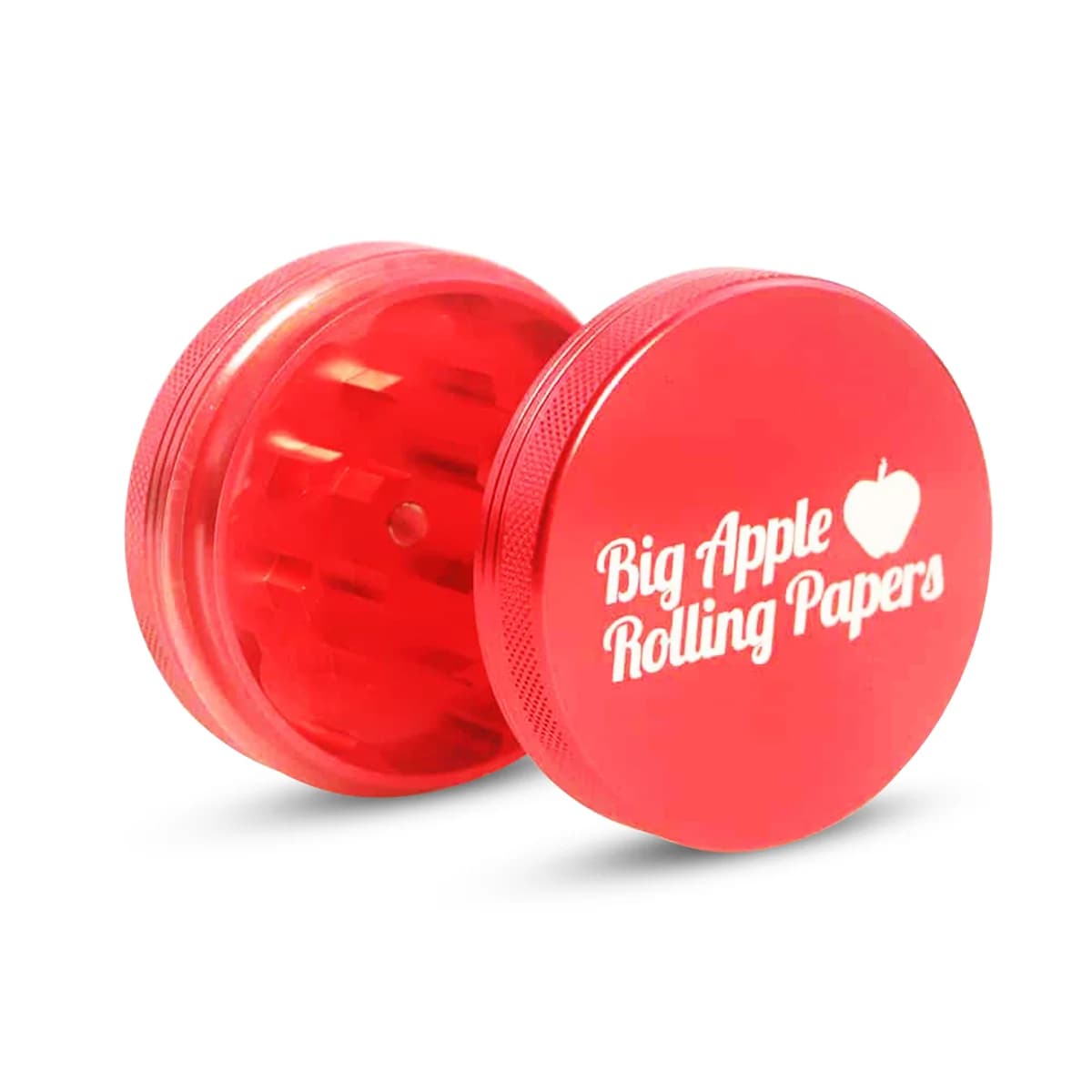
- Wide range of anodized colors
- Excellent for printing (UV, pad, laser)
- Shiny or matte finishes
- Logos show crisp and clear
- Can be polished or brushed
- Custom colors readily available
Titanium Options:
- Natural gray metallic finish
- Limited color options (heat treating creates some colors)
- Laser engraving works well
- Printing more difficult
- Premium aesthetic
- Distinctive look
Customization: For branded or personalized grinders, aluminum offers far more flexibility and better results.
Winner: Aluminum
Price & Value Analysis
The bottom line:
Aluminum Pricing:
- Entry level: $15-25
- Mid-range: $25-45
- Premium: $45-60
- Custom bulk: $3-8 per unit (wholesale)
Titanium Pricing:
- Entry level: $50-80
- Mid-range: $80-120
- Premium: $120-200+
- Limited bulk options
Value Proposition:
- Aluminum: Excellent performance at fair price
- Titanium: Premium performance at premium price
Break-Even Analysis: If an aluminum grinder lasts 5 years ($30 cost = $6/year) and titanium lasts 20 years ($100 cost = $5/year), titanium saves $1/year - not a compelling financial case.
Winner: Aluminum (better value for most)
Material Science Deep Dive
Why Titanium Is "Better"
Scientific Advantages:
-
Tensile Strength:
- Titanium: 900+ MPa
- Aluminum: 310 MPa
- Titanium is 3x stronger
-
Hardness:
- Titanium: Rockwell C 36
- Aluminum: Rockwell B 95 (~Rockwell C 20)
- Titanium resists wear better
-
Corrosion:
- Titanium: Forms protective oxide instantly
- Aluminum: Requires anodization
- Titanium naturally protected
-
Biocompatibility:
- Titanium: Completely hypoallergenic
- Aluminum: Safe but some sensitivities
- Titanium safer for sensitive users
The Context: These advantages matter for medical implants and aerospace. For grinders? Minimal practical impact.
Why Aluminum Is "Sufficient"
Practical Reality:
-
Application Requirements:
- Grinders face low stress
- No extreme environments
- Not weight-critical
- No biocompatibility concerns
-
Proven Performance:
- Millions of aluminum grinders last years
- Failure rate extremely low
- User satisfaction high
- Returns due to material: near zero
-
Manufacturing Advantages:
- Easier to machine = better precision
- Better for custom designs
- Consistent quality control
- Lower defect rates
The Verdict: Aluminum's properties exceed grinder requirements. Titanium offers surplus performance.
Manufacturing Differences
Aluminum Production
Machining Process:
- CNC machines easily work aluminum
- Fast production cycles
- Precise tolerances achievable
- Low tool wear
- Consistent results
- Cost-effective
Anodizing:
- Adds protective layer
- Creates vibrant colors
- Improves corrosion resistance
- Prepares surface for printing
- Relatively inexpensive process
Quality Control:
- Easy to inspect
- Standardized processes
- Reliable suppliers
- Consistent material properties
Titanium Production
Machining Challenges:
- Requires specialized tooling
- Slower cutting speeds
- High tool wear (expensive)
- More difficult precision work
- Longer production times
- Higher defect rates
Finishing:
- No anodizing needed
- Limited color options
- Bead blasting common
- Polishing very difficult
- Natural finish preferred
Quality Control:
- More variables
- Specialized inspection
- Limited experienced manufacturers
- Higher rejection rates
Cost Impact: These manufacturing difficulties directly contribute to titanium's higher price.
Use Case Analysis: Who Benefits from Titanium?
Titanium Makes Sense For:
1. Ultra-Heavy Users
- Grinding 5+ times daily
- Commercial/industrial use
- Want absolute maximum lifespan
- Can justify premium cost through use
2. Extreme Environments
- Regular saltwater exposure
- Harsh chemical environments
- Extreme temperature fluctuations
- Outdoor wilderness use
3. Collectors & Enthusiasts
- Appreciate premium materials
- Want "best of the best"
- Cost less important than quality
- Enjoy luxury items
4. Buy-It-For-Life Philosophy
- Prefer single premium purchase
- Multi-decade mindset
- Minimize long-term replacements
- Heirloom quality desired
5. Professional Applications
- Dispensary use (dozens of uses daily)
- Test lab equipment
- Commercial processing
- Must justify premium tools
Aluminum Makes Sense For:
1. Regular Users (Most People)
- Daily to weekly use
- Normal environments
- Value-conscious
- Practical expectations
2. Those Wanting Customization
- Branded grinders
- Personalized designs
- Custom colors
- Logo printing
3. Budget-Conscious Buyers
- Want quality without premium
- $20-50 price range
- Practical over luxury
- Focus on performance
4. Gift Givers
- Impressive quality at reasonable cost
- Wide style options
- Better customization
- Appropriate price point
5. Business Buyers
- Promotional products
- Dispensary merchandise
- Bulk orders
- Brand building
Real User Experiences
Aluminum User Testimonials
Daily User (3 years): "My $30 aluminum grinder works as well today as when I bought it. Some scratches on the outside, but who cares? Grinds perfectly every time."
Heavy User (5 years): "Use mine 2-3 times daily. Threading still smooth, teeth still sharp. I clean it monthly and it's holding up great. No reason to spend more."
Custom Grinder Owner: "Got my logo printed on aluminum grinders for my dispensary. Customers love them. Quality is excellent and the printing is still perfect after a year of use."
Titanium User Testimonials
Premium Buyer (2 years): "Worth it for me because I appreciate quality tools. Looks brand new still. But honestly? My old aluminum grinder worked just as well for grinding."
**Collector (Multiple): ** "I own both. Titanium feels more premium and I enjoy that. For actual grinding performance? Can't tell the difference. Buy titanium for the experience, not necessity."
Professional (1 year): "We grind samples 20+ times daily in our testing lab. Titanium made sense for commercial use. For home use? I'd stick with aluminum."
The Hidden Costs
Beyond Purchase Price
Aluminum Considerations:
- Replacement: May need new grinder in 5-10 years
- Maintenance: Regular cleaning recommended
- Customization: Can re-print or get new design
- Upgrade: Can try different styles affordably
Total Cost (10 years): $30-90 (1-2 grinders)
Titanium Considerations:
- Replacement: Unlikely ever needed
- Maintenance: Minimal required
- Customization: Stuck with original
- Upgrade: High cost to change styles
Total Cost (10+ years): $80-200 (one grinder)
Value Analysis: Titanium saves money only if you'd otherwise buy premium aluminum grinders every 3-4 years.
Common Myths Debunked
Myth 1: "Titanium grinds better"
Reality: Grind quality depends on tooth design, not material. Both produce identical results when designed well.
Myth 2: "Aluminum is unsafe"
Reality: Anodized aluminum is perfectly safe. Used in cookware, water bottles, and medical equipment.
Myth 3: "Titanium never needs cleaning"
Reality: Titanium doesn't corrode, but still accumulates residue. Both materials need regular cleaning.
Myth 4: "You can taste the difference"
Reality: Neither material affects flavor. Any taste differences come from cleanliness, not material.
Myth 5: "Aluminum wears out quickly"
Reality: Quality aluminum grinders last 5-10+ years with normal use. Wear is cosmetic, not functional.
Myth 6: "Titanium is healthier"
Reality: Both materials are completely safe for their intended use. No health advantage for grinders.
Environmental Considerations
Aluminum Sustainability
Positives:
- Highly recyclable (95% energy savings when recycled)
- Abundant material
- Established recycling infrastructure
- Can be recycled indefinitely
Negatives:
- Initial production energy-intensive
- Mining environmental impact
- Processing requires significant energy
End of Life: Easily recycled when grinder is finally retired.
Titanium Sustainability
Positives:
- Extremely long lifespan (less frequent replacement)
- Fully recyclable
- Non-toxic throughout lifecycle
Negatives:
- Energy-intensive extraction
- Difficult and costly to recycle
- Limited recycling infrastructure
- Higher embodied energy
End of Life: Long lifespan means less frequent disposal, offsetting some environmental costs.
Environmental Winner: Slight edge to aluminum due to recycling infrastructure
Making Your Decision
Questions to Ask Yourself
Budget Questions:
- What's my maximum budget?
- Am I buying for performance or prestige?
- Could I better spend the price difference?
- Is this a daily tool or special piece?
Usage Questions:
- How often will I use this?
- Where will I use it (environment)?
- Will I want to change styles later?
- Do I need customization?
Lifestyle Questions:
- Do I prefer practical or premium?
- Am I rough or careful with tools?
- Do I appreciate luxury materials?
- Will I keep this 10+ years?
Decision Framework
Choose Aluminum If:
- Budget under $60
- Want custom designs or colors
- Normal use patterns
- Value practicality over prestige
- May want different styles later
- Buying for business/promotional use
Choose Titanium If:
- Budget $80+
- Want absolute best longevity
- Appreciate premium materials
- Buy-it-for-life mentality
- Extreme use or environments
- Luxury item appeals to you
Brand Recommendations
Top Aluminum Grinders
Quality options at various price points:
Budget ($15-25):
- Solid performance
- 3-5 year lifespan
- Basic but functional
- Good starter option
Mid-Range ($25-45):
- Excellent performance
- 5-10 year lifespan
- Premium features
- Best value segment
Premium ($45-60):
- Top-tier aluminum
- 10+ year lifespan
- Advanced features
- Approaches titanium quality
Custom Options: MunchMakers custom grinders offer quality aluminum with professional printing, minimum 50 units for promotional use.
Top Titanium Grinders
If you're going premium:
Entry Titanium ($50-80):
- Basic titanium quality
- Standard features
- Lifetime construction
- Good introduction
Premium Titanium ($80-150):
- Top machining quality
- Advanced features
- Exceptional finish
- Best overall titanium
Ultra-Premium ($150+):
- Artisan craftsmanship
- Unique designs
- Collector pieces
- Ultimate quality
The Hybrid Option: Coated Aluminum
Best of Both Worlds?
Emerging middle ground:
What It Is:
- Aluminum base
- Titanium coating or treatment
- Combined advantages
- Mid-range pricing ($40-70)
Advantages:
- Enhanced durability
- Better scratch resistance
- Premium feel
- More affordable than solid titanium
Limitations:
- Coating can wear
- Not solid titanium performance
- Less established track record
- Limited availability
Verdict: Interesting option for those wanting enhanced aluminum without full titanium cost.
Alternative Materials Brief Comparison
Zinc Alloy
vs Aluminum:
- Heavier (less portable)
- More durable
- Harder to customize
- Similar price point
vs Titanium:
- Much heavier
- Less durable
- Significantly cheaper
- Different aesthetic
Full comparison: Aluminum vs Zinc Grinders
Stainless Steel
vs Aluminum:
- Heavier
- More corrosion resistant
- Harder to machine
- Similar durability
vs Titanium:
- Heavier (disadvantage)
- Less corrosion resistant
- Cheaper
- Similar strength
Maintenance & Care
Aluminum Care
Regular Maintenance:
- Clean every 2-4 weeks
- Use isopropyl alcohol
- Soft brush for threads
- Dry thoroughly
- Avoid harsh abrasives on anodized finish
Long-Term Care:
- Store in dry place
- Keep away from saltwater
- Don't over-tighten
- Re-anodizing possible if finish wears
Detailed guide: How to Clean Your Grinder
Titanium Care
Regular Maintenance:
- Clean as needed (less critical)
- Any cleaning method safe
- Impossible to damage
- Minimal care required
Long-Term Care:
- No special storage needed
- Unaffected by any conditions
- Truly maintenance-free
- Will outlast owner
Winner: Titanium (but aluminum care is minimal)
Investment Perspective
Resale Value
Aluminum:
- Used market: $5-20 (40-60% original)
- Limited collector value
- Functional value only
- Easy to replace
Titanium:
- Used market: $40-100 (50-70% original)
- Some collector interest
- Premium material retains value
- Rarer secondary market
Reality: Neither is an investment. Buy for use, not resale.
Cost Per Use
The real value metric:
Aluminum Example:
- Cost: $35
- Uses: 3x/week for 7 years = ~1,000 uses
- Cost per use: $0.035
Titanium Example:
- Cost: $120
- Uses: 3x/week for 20 years = ~3,000 uses
- Cost per use: $0.040
Surprising Result: Aluminum actually has better cost-per-use despite shorter lifespan, due to much lower initial cost.
Conclusion: Which Should You Choose?
The Practical Answer
For the overwhelming majority of users, quality aluminum grinders provide exceptional performance, longevity, and value. The premium for titanium rarely justifies itself in practical terms.
Choose Aluminum If You:
- Use your grinder normally (not commercially)
- Want excellent performance at fair prices
- Value customization options
- Prefer practical over prestigious
- Like changing styles occasionally
- Buy for business or promotional use
Price Range: $20-50 for excellent quality
The Premium Answer
Titanium makes sense for specific users who either need extreme durability or simply want the absolute best regardless of cost.
Choose Titanium If You:
- Have unlimited budget
- Appreciate premium materials
- Want lifetime buy-it-once quality
- Face extreme use or environments
- Collect high-end gear
- Buy for commercial/professional use
Price Range: $80-150 for quality titanium
The Honest Recommendation
For 95% of users: Buy a quality aluminum grinder in the $25-45 range. You'll get 95% of titanium's performance at 25% of the cost.
For the 5%: If you genuinely want the best, understand what you're paying for (prestige, ultimate longevity), and budget allows - titanium is genuinely superior, just not necessary.
Our Top Picks
Best Value Overall: Quality aluminum 4-piece grinder ($25-40) - Browse grinder collection
Best Premium: Top-tier aluminum grinder ($45-60) - 95% of titanium performance
Best Luxury: Premium titanium grinder ($80-120) - If you want the absolute best
Best Custom: MunchMakers custom aluminum grinders - Professional branding at wholesale prices
Final Thoughts
The titanium vs aluminum debate isn't about which is "better" - titanium objectively has superior material properties. The real question is whether those advantages matter for your specific use case.
For grinding herb, both materials perform identically. Both last years. Both are safe and reliable. The difference is in extremes of durability and longevity that most users will never approach.
Buy titanium if you want it and can afford it. But don't feel you're missing out with aluminum - you're getting exceptional performance at a fair price.
Related Guides:
- Best Weed Grinders 2026
- Aluminum vs Zinc Grinders
- Metal vs Acrylic Grinders
- Grinder Size Guide
- How to Clean Your Grinder
Make the choice that's right for you, not what marketing tells you to want.
Ready to Create Your Custom Grinders?
Put your brand in your customers' hands. Get a free mockup in 24 hours.