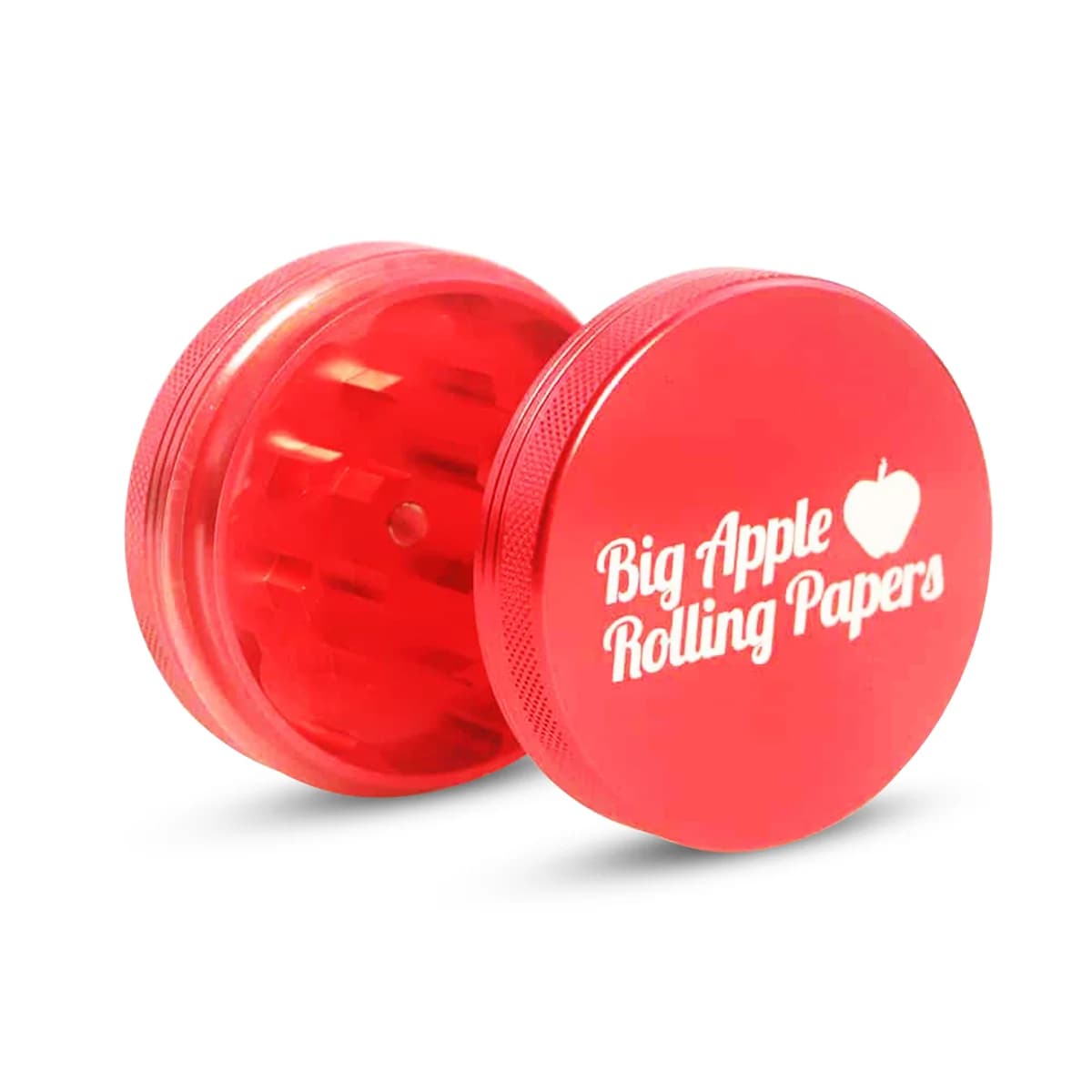
Grinder Teeth Design: Sharp vs Diamond vs Blunt Teeth Compared
Why Teeth Design Matters
The teeth are the heart of any grinder. Their shape, sharpness, number, and arrangement directly impact grinding efficiency, consistency, and overall user experience. Understanding teeth design helps you choose the right custom grinders for your needs or your brand.
At MunchMakers, we offer grinders with various teeth configurations, each optimized for different grinding preferences.
The Three Main Teeth Types
Sharp Teeth (Blade-Style)
Sharp teeth feature angled cutting edges similar to blades or knives. They slice through herb material rather than crushing it.
Characteristics:
- Razor-like cutting edges
- Typically triangular or blade-shaped
- Slice action for clean cuts
- Often found on premium metal grinders
Advantages:
- Efficient cutting: Requires less rotation for complete grinding
- Cleaner cuts: Slices rather than tears plant material
- Less effort: Easier twisting motion
- Fluffy grind: Produces airy, consistent texture
- Preserves trichomes: Gentle cutting retains more potency
Disadvantages:
- Can dull over time with heavy use
- May require careful handling
- Higher manufacturing cost
- Not ideal for very sticky materials
Best For:
- Daily users seeking efficiency
- Those who prefer fluffy grinds
- Premium branding applications
- Users prioritizing potency preservation
Diamond Teeth
Diamond-shaped teeth are the most common design, featuring four-sided pyramid-like projections. They combine cutting and grinding action.
Characteristics:
- Four-sided diamond or pyramid shape
- Multiple cutting edges per tooth
- Balanced cut-and-grind action
- Standard on most quality grinders
Advantages:
- Versatile performance: Works well with various materials
- Consistent results: Reliable grind every time
- Durable: Multiple edges mean longer life
- Cost-effective: Efficient manufacturing
- Self-cleaning: Shape helps material fall through
Disadvantages:
- May require more rotations than sharp teeth
- Can be less efficient with sticky material
- Medium-tier performance compared to specialized designs
Best For:
- General-purpose grinding
- Most users and applications
- Balance of cost and performance
- Custom branded grinders for broad appeal
Blunt Teeth (Peg-Style)
Blunt teeth feature rounded or flat-topped pegs that crush and grind material through pressure and friction.
Characteristics:
- Rounded or flat-top cylinders
- Crushing/grinding action
- Often found on budget grinders
- Common on acrylic grinders
Advantages:
- Durable: No edges to dull
- Safe: Lower injury risk
- Affordable: Simple manufacturing
- Long-lasting: Maintains performance over time
- Sticky material friendly: Crushing works on resinous herbs
Disadvantages:
- Requires more rotations
- Less consistent grind
- Can compact material
- More physical effort needed
- May destroy more trichomes
Best For:
- Budget-conscious buyers
- High-volume promotional items
- Users processing sticky materials
- Rough grinding applications
Teeth Design Comparison Chart
| Feature | Sharp Teeth | Diamond Teeth | Blunt Teeth | |---------|-------------|---------------|-------------| | Cutting Action | Slice | Cut & Grind | Crush | | Efficiency | Excellent | Good | Fair | | Durability | Good | Excellent | Excellent | | Effort Required | Low | Medium | High | | Grind Consistency | Excellent | Good | Fair | | Trichome Preservation | Excellent | Good | Fair | | Cost | Higher | Medium | Lower | | Sticky Material | Fair | Good | Good |
Teeth Count and Arrangement
Beyond shape, the number and arrangement of teeth affect performance.
Teeth Count
Fewer Teeth (12-20):
- Larger gaps between teeth
- Coarser grind potential
- Less rotation needed
- Better for fluffy results
More Teeth (30-50+):
- Finer grind capability
- More rotation required
- Higher consistency
- Better for packing
Teeth Arrangement
Radial Pattern:
- Teeth point toward center
- Good cutting action
- Standard design
Offset Pattern:
- Teeth staggered between layers
- Maximizes cutting contact
- Premium design
Concentric Rings:
- Teeth arranged in circles
- Different grind zones
- Specialized applications
Material Impact on Teeth Performance
Teeth material affects cutting ability and longevity.
Aluminum Teeth
Most metal grinders use CNC-machined aluminum:
- Excellent sharpness potential
- Lightweight
- Corrosion-resistant when anodized
- Good durability
Zinc Alloy Teeth
Heavier option found on some grinders:
- Good weight and feel
- Decent sharpness
- May dull faster than aluminum
- Cost-effective
Stainless Steel Teeth
Premium grinders may feature steel:
- Excellent edge retention
- Maximum durability
- Higher cost
- Heavier weight
Plastic/Acrylic Teeth
Acrylic grinders use molded plastic:
- Typically blunt design
- Budget-friendly
- Lighter weight
- Less efficient cutting
Choosing Teeth Design for Custom Grinders
When ordering custom grinders for your brand, teeth design affects perception and function.
For Premium Positioning
Choose grinders with sharp or diamond teeth on metal construction:
- Communicates quality
- Provides excellent experience
- Justifies premium brand positioning
- Creates positive associations
For Budget Campaigns
Consider diamond teeth on mid-range grinders:
- Balanced cost and performance
- Reliable user experience
- Good value proposition
- Wide appeal
For High-Volume Giveaways
Blunt teeth on acrylic grinders work well:
- Lowest per-unit cost
- Adequate functionality
- Safe and durable
- Maximum distribution
Teeth Maintenance
Proper care extends teeth life regardless of design.
Regular Cleaning
- Brush teeth after each use
- Remove stuck material promptly
- Use isopropyl alcohol for deep cleaning
- Dry thoroughly before storage
Avoiding Damage
- Don't force overfilled grinders
- Avoid dropping on hard surfaces
- Store in protective cases
- Keep away from moisture
Signs of Wear
- Increased effort required
- Inconsistent grind results
- Visible dulling or damage
- Material sticking more frequently
Grinder Teeth and Kief Collection
Teeth design impacts kief collection:
Sharp Teeth:
- Cleaner cuts preserve more trichomes
- Better kief yields
- Recommended for 4-piece grinders
Diamond Teeth:
- Good trichome preservation
- Consistent results
- Popular for all grinder types
Blunt Teeth:
- May crush trichomes
- Lower kief quality
- Less ideal for collection
Ready to Choose Your Grinder?
Understanding teeth design helps you select the perfect grinder for personal use or custom branding.
For Personal Use
Consider your priorities:
- Efficiency? Choose sharp teeth
- Versatility? Choose diamond teeth
- Budget? Consider blunt teeth
For Custom Branding
MunchMakers offers grinders with various teeth designs:
- Browse our grinder collection
- Request a mockup
- Discuss teeth options with our team
- Order custom grinders that perform
Complete Your Product Line
Pair grinders with complementary products:
Contact MunchMakers to discuss which teeth design best suits your custom grinder project!
Ready to Create Your Custom Grinders?
Put your brand in your customers' hands. Get a free mockup in 24 hours.