Titanium vs Aluminum Grinders: Is the Extra $80 Actually Worth It?
The $100 Question
You're shopping for a grinder. You see a really nice aluminum one for $30. Then you see a titanium one that looks basically the same for $120.
Wait, what? $120 for a grinder?
The description says titanium is "better." It's "premium." It'll "last forever." But is it actually four times better? Or are you just paying for hype?
Let me save you some time: for 95% of people, aluminum is the smarter choice. But let's dig into why, and when titanium might actually make sense.
The Short Answer (If You're Impatient)
Aluminum grinders:
- $15-60
- Last 5-10+ years
- Grind perfectly well
- Wide variety of colors and customizations
- Best value for money
Titanium grinders:
- $60-200+
- Last basically forever (20+ years)
- Also grind perfectly well
- Limited color options
- Premium material for people who want the best
The verdict: Titanium is objectively "better" as a material, but aluminum is better value unless you specifically want titanium's advantages (or just like premium stuff).
Let's Talk About the Actual Materials
Aircraft-Grade Aluminum (What Most Quality Grinders Use)
The fancy name is "6061-T6 aluminum," but basically it's the same stuff used in airplanes, bikes, and climbing gear.
Why it's good:
- Strong as hell for its weight
- Doesn't rust or corrode (when anodized)
- Easy to machine into precise shapes
- Can be anodized in tons of colors
- Relatively affordable
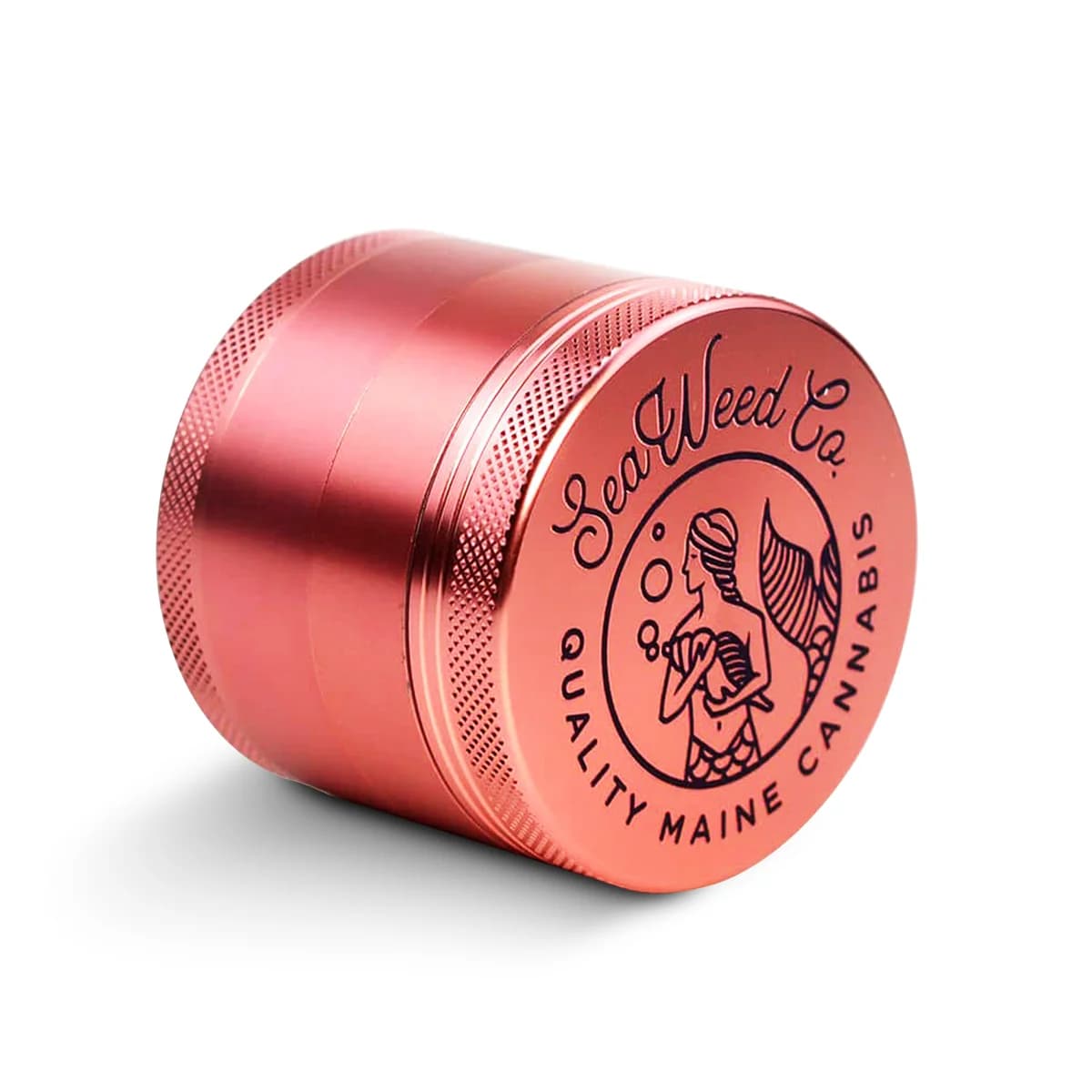
That "anodized" part is important. Anodization creates a hard, protective coating on the aluminum that prevents corrosion and makes the surface harder. It's also what allows for those cool colors you see on grinders.
The catch:
- The anodized finish can wear off over time (we're talking years of heavy use)
- Aluminum is softer than titanium, so it can get scratched more easily
- Teeth can dull eventually (but this takes forever)
Medical-Grade Titanium (The Premium Option)
Usually "Grade 5 titanium" or "Ti-6Al-4V" if you want to sound fancy.
Why it's good:
- Stronger than aluminum (way stronger)
- Literally won't corrode, ever
- Lighter than aluminum (per volume)
- Hypoallergenic (matters for medical implants, not really for grinders)
- Will outlast you
The catch:
- Expensive as hell
- Hard to machine (which makes it more expensive)
- Can't easily be colored (so most titanium grinders are just... gray)
- Harder to customize with logos or artwork
Here's the thing: titanium is objectively better as a material. It's used in jet engines and surgical implants for good reasons.
But does that matter for grinding weed? Let's find out.
How They Actually Perform
Okay, forget the specs. How do they work in real life?
Grinding Performance
I'm going to spoil this right now: they perform identically.
Seriously. The grind quality comes from:
- Tooth design
- Manufacturing precision
- Number of teeth
- Hole size (for multi-piece grinders)
The material? Doesn't matter.
I've used both extensively. Can't tell the difference in the actual grind. Your weed doesn't care if it's being ground by aluminum or titanium.
Winner: Tie
Durability
This is where titanium should shine, right?
And it does - sort of.
Titanium:
- Won't scratch as easily
- Teeth stay sharp literally forever
- Threading never wears out
- Finish never wears off (because there is no finish)
- You could probably pass it down to your grandkids
Aluminum:
- Can get scratched (cosmetic, doesn't affect function)
- Teeth stay sharp for many years
- Threading lasts a decade with normal use
- Anodization might wear in high-friction areas after years
- Will probably outlast your interest in it
Here's my hot take: aluminum is "durable enough" for real-world use. Unless you're grinding multiple times per day, every day, for years, aluminum will outlast your needs.
Titanium is more durable, but it's solving a problem most people don't have.
Winner: Titanium (but it's overkill)
Weight
Titanium is lighter. About 20-30% lighter for the same size grinder.
Does this matter? Honestly... not really.
Both are already super light and portable. We're talking about the difference between 70 grams and 55 grams. You're not going to notice this in your pocket.
If you're a backpacker trying to shave ounces, maybe it matters. For everyone else? Eh.
Winner: Titanium (barely)
Corrosion Resistance
Titanium is completely, 100% corrosion-proof. You could leave it in saltwater for a year and it'd be fine.
Aluminum (anodized) is very corrosion-resistant. It handles normal moisture, cleaning, and use without issues.
But here's the thing: grinders don't live in harsh environments. You're not grinding weed underwater or in acid rain.
In real-world use, I've never seen an aluminum grinder corrode. Not once. And I've seen some grinders that have been used hard for 5+ years.
Winner: Titanium (but it doesn't matter)
Aesthetics
This one's subjective, but let's talk about it.
Aluminum:
- Available in basically every color (anodizing allows this)
- Can be polished to a mirror shine
- Easy to add logos, artwork, designs
- Can match your style/aesthetic
Titanium:
- Natural gray metallic finish
- Some colors possible through heat treatment (blues, purples), but limited
- Looks industrial and premium
- Understated and "serious"
Aluminum wins here for variety. Titanium wins if you like the utilitarian, premium look.
For me? I like having color options. But some people love that raw titanium look.
Winner: Personal preference
Customization
If you want your logo or design on a grinder, aluminum is way better.
Anodized aluminum takes UV printing, pad printing, and laser engraving beautifully. The prints are crisp and colorful.
Titanium? You can laser engrave it, but that's about it. Printing doesn't work as well, and you're limited to the natural titanium color.
If you're a business buying custom grinders, this matters. For personal use, maybe not.
Winner: Aluminum
The Price Reality Check
Let's talk money.
Aluminum grinders:
- Budget: $10-20 (functional but basic)
- Mid-range: $20-40 (great quality, this is the sweet spot)
- Premium: $40-60 (top-tier aluminum, as good as it gets)
Titanium grinders:
- Entry: $60-90 (basic titanium)
- Mid-range: $90-130 (quality titanium)
- Premium: $130-200+ (the fancy stuff)
So even "cheap" titanium costs more than premium aluminum.
Is titanium four times better? No. It's not even twice as good in practical terms.
But it IS more durable and will last longer. So let's do some math.
Cost-Per-Year Analysis
Let's say you buy a $35 aluminum grinder that lasts 7 years. That's $5 per year.
Or you buy a $120 titanium grinder that lasts 20 years. That's $6 per year.
Wait, what? The titanium costs MORE per year?
Yep. Because the upfront cost is so much higher, and aluminum already lasts plenty long.
Now, this assumes you'd actually use the same grinder for 20 years. Most people upgrade or lose their grinder way before that.
Winner: Aluminum (better value)
When Titanium Actually Makes Sense
Okay, I've been pretty hard on titanium. But there ARE legitimate reasons to buy one:
Reason #1: You Want Buy-It-For-Life Quality
Some people just like owning the best. They want to buy once and never think about it again.
If that's you, titanium delivers. It will literally last decades without any degradation.
No judgment here - I'm the same way with certain tools. Sometimes paying more for "forever" quality is worth it.
Reason #2: You're a Super Heavy User
If you're grinding 5+ times per day, every day, titanium's durability advantage starts to matter.
The teeth will stay sharper longer, the threading won't wear out, and you won't see any finish degradation.
For dispensary employees or commercial use, titanium can make sense.
Reason #3: You're Rough on Your Stuff
Drop your grinder a lot? Throw it in a bag with keys and other hard objects?
Titanium can take the abuse better. It won't scratch as easily and won't dent.
Aluminum will show wear faster (though it'll still function fine).
Reason #4: You Just Want It
Honestly? This is probably the most common reason.
You like premium gear. You want the best material. You think titanium is cool.
That's totally valid. If you can afford it and it makes you happy, go for it.
Just know you're paying for premium material and longevity, not better grinding performance.
Reason #5: You Have Metal Allergies
Titanium is hypoallergenic. If you have reactions to certain metals, titanium won't cause issues.
This is pretty rare, but it's a legitimate reason to choose titanium.
When Aluminum Makes More Sense (AKA Most People)
If you:
- Want a quality grinder at a fair price
- Use your grinder normally (not commercially)
- Like having color and customization options
- Prefer spending money on weed rather than grinders
- Want something that'll last years without breaking the bank
Get aluminum. Seriously.
A $25-40 aluminum grinder from a reputable brand will serve you beautifully for 5-10 years. That's excellent value.
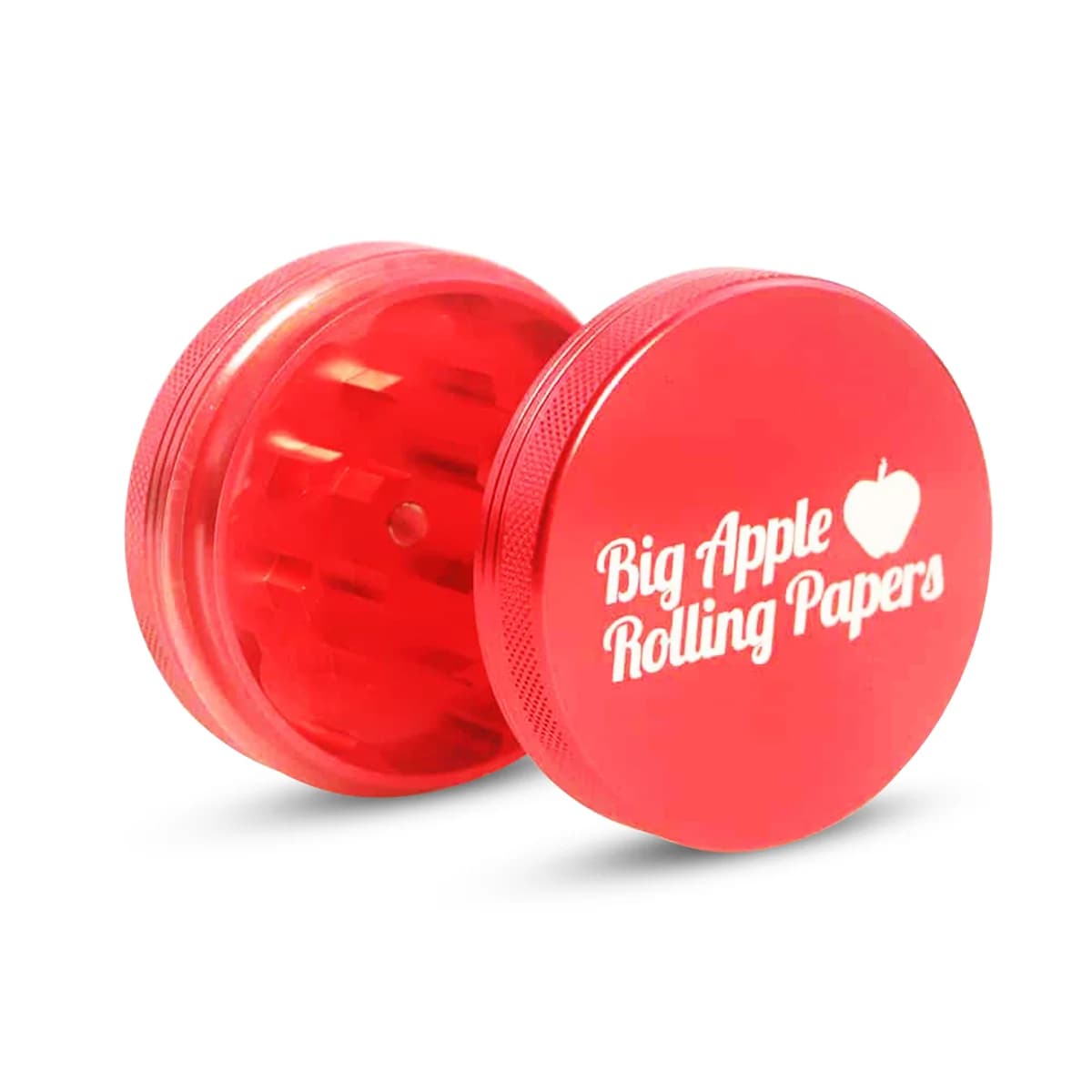
The Diamond Edge 2-Piece Grinder is a perfect example - quality aluminum construction, sharp teeth, smooth operation, and it costs about what you'd spend on an eighth.
Real User Experiences
I asked around to get actual opinions from people who've used both:
Jake (has both): "My aluminum grinder is 4 years old and works perfectly. My titanium one also works perfectly. Can't tell a difference in actual use. The titanium one looks cooler, I guess? But I paid like $90 more for it. Kinda stupid in hindsight."
Maria (titanium owner): "I love my titanium grinder. It's my daily driver and it still looks brand new after 2 years. Would I buy it again? Probably not. It's nice but not $130 nice."
Chris (aluminum owner): "I've had my $30 aluminum grinder for 6 years. It's got some scratches and the color is worn in spots, but it still grinds perfectly. I'll probably upgrade eventually but it's not necessary."
Sam (heavy user): "I grind multiple times a day. Went through three cheap grinders in two years. Finally bought a titanium one for $100. That was 5 years ago and it's perfect. For my usage, it was worth it."
The pattern: titanium is nice, but most people don't think the price premium is justified for the performance you get.
The Honest Recommendation
For most people reading this:
Buy a quality aluminum grinder in the $25-45 range.
You'll get 95% of titanium's performance at 25% of the price. It'll last for years. You can choose colors and styles you actually like. And you'll save $80+ that you could spend on... literally anything else.
Only buy titanium if:
- Money isn't a concern
- You specifically want forever-quality
- You're a super heavy user
- You just really want titanium
Don't buy titanium because you think you "should" or because marketing convinced you aluminum isn't good enough. Aluminum is excellent.
Product Spotlight: Diamond Edge 2-Piece Grinder
Since I keep mentioning aluminum as the smart choice, let me recommend something specific.
The Diamond Edge 2-Piece Grinder is what I'd buy if I needed a new grinder today.
Why:
- Quality aluminum construction (not cheap zinc or plastic)
- Sharp, well-designed teeth
- Smooth magnetic closure
- Simple 2-piece design (no unnecessary complexity)
- Under $20
What you get: A grinder that works excellently and will last years. No BS, no marketing fluff, just a good tool at a fair price.
Is there a titanium version that's "better"? Sure, technically. Would you notice the difference? Probably not.
Save your money and get this instead.
Maintenance: Does Material Matter?
Quick note on cleaning and care:
Aluminum:
- Clean with isopropyl alcohol every few weeks
- Can use any cleaning method
- Avoid abrasive scrubbing (can wear finish)
- Dry completely before reassembly
Titanium:
- Clean with isopropyl alcohol (or anything, it doesn't care)
- Literally impossible to damage through cleaning
- Can be as rough as you want
- Dry it or don't, titanium doesn't corrode
So titanium is slightly easier to maintain. But aluminum maintenance is already super easy, so this is a minor advantage.
Environmental Consideration
Since you might care:
Aluminum:
- Highly recyclable (95% of energy saved when recycled vs. new production)
- Abundant material
- Established recycling infrastructure
- High environmental cost to produce initially
Titanium:
- Fully recyclable
- Lasts way longer (less frequent replacement)
- Difficult and expensive to recycle
- High environmental cost to extract and process
Honestly, both are pretty environmentally neutral in the grand scheme. But aluminum's better recycling infrastructure gives it a slight edge.
The real environmental win is buying quality (either material) and using it for years instead of buying cheap grinders that break.
The Bottom Line
Titanium is a better material than aluminum. That's just materials science.
But for the specific application of grinding weed:
- Aluminum is strong enough
- Aluminum lasts long enough
- Aluminum is easier to customize
- Aluminum is way cheaper
Titanium's advantages (superior strength, perfect corrosion resistance, indefinite lifespan) are solving problems that don't really exist for most grinder users.
It's like buying a tactical knife to open packages. Sure, it's objectively better than a normal knife, but do you need it? Probably not.
My actual advice:
Spend $25-40 on a quality aluminum grinder. Use it for 5-10 years. When it eventually wears out or you want an upgrade, buy another one.
Over a decade, you'll spend $60-80 total.
Or spend $120+ now on titanium for marginally better durability that you probably don't need.
The math doesn't math.
BUT - if you just really want titanium, and money isn't tight, go for it. It IS a premium material and it's legitimately cool to own. Just know you're paying for the premium experience, not better grinding.
FAQ
Q: Will titanium grind better than aluminum?
No. Grind quality comes from design, not material. Both grind identically.
Q: How long does aluminum last?
With normal use, 5-10+ years. I've seen some last 15 years. Depends on usage and care.
Q: How long does titanium last?
Basically forever. 20+ years easily. Possibly lifetime if you take care of it.
Q: Can you tell the difference by feel?
Titanium is slightly lighter and feels a bit more premium, but it's subtle. If you used them blind, you might not notice.
Q: Do I need titanium if I use my grinder daily?
No. Aluminum handles daily use just fine. I've used aluminum grinders daily for years without issue.
Q: Is there a middle ground?
Some brands make "hybrid" grinders with titanium coating on aluminum, or stainless steel grinders. These are usually in the $40-70 range. They're fine, but I'd still just get quality aluminum.
Q: What about zinc or stainless steel grinders?
Zinc is heavier and less durable than aluminum. Stainless steel is good but heavier. Aluminum or titanium are the best options.
Q: Will cheap aluminum grinders work okay?
The $10-15 ones? They'll work, but teeth dull faster and threading might be rough. Spend the extra $10-15 for mid-range quality.
Q: Should I buy titanium to collect kief better?
No. Kief collection depends on screen quality and design, not the grinder material. Aluminum works just as well.
You're Ready to Decide
You now know more about titanium vs aluminum grinders than 99% of people.
The decision is yours:
Choose aluminum if: You want excellent performance at a fair price. (This is most people.)
Choose titanium if: You want the absolute best material and are willing to pay for it.
Either way, you'll have a grinder that works great.
My pick? The Diamond Edge 2-Piece Aluminum Grinder. Great quality, great price, will last for years.
But hey, if you want to drop $150 on titanium, I'm not judging. It'll be a really nice grinder.
Happy grinding, whatever material you choose.
Ready to Create Your Custom Grinders?
Put your brand in your customers' hands. Get a free mockup in 24 hours.