Grinders Decoded: Your Ultimate Guide to Choosing the Perfect Size for Weed
Why Grinder Size Matters More Than You Think
Choosing the right grinder size is crucial for your satisfaction and daily experience. Too small and you'll constantly refill it; too large and it becomes impractical to carry. With grinders ranging from tiny 1-inch keychain models to massive 4-inch table grinders, understanding size implications helps you make the perfect choice.
This comprehensive guide breaks down every grinder size, their ideal use cases, and how to match diameter to your specific lifestyle.
Understanding Grinder Size Measurements
How Size Is Measured
Diameter Measurement:
- Measured across the widest point
- Top lid diameter (not height)
- Given in inches or millimeters
- Industry standard measurement
Common Size Designations:
- Small: 1.5" - 2" (40-50mm)
- Medium: 2" - 2.5" (50-63mm)
- Large: 2.5" - 3.5" (63-90mm)
- Extra Large: 3.5"+ (90mm+)
What's NOT Included:
- Height varies independently
- Teeth count separate specification
- Number of pieces (2, 3, 4) different feature
- Material type unrelated to size
Size vs Capacity
How much each size holds:
Small Grinders (1.5" - 2"):
- Capacity: 0.5 - 1.5 grams
- Sessions: 1-3 individual uses
- Best for: Single person, light use
Medium Grinders (2" - 2.5"):
- Capacity: 1 - 3 grams
- Sessions: 3-6 individual uses
- Best for: Daily personal use
Large Grinders (2.5" - 3.5"):
- Capacity: 3 - 7 grams
- Sessions: 6-12 individual uses
- Best for: Groups, heavy users
Extra Large Grinders (3.5"+):
- Capacity: 7+ grams
- Sessions: Week+ supply
- Best for: Bulk grinding, display
Complete Size Breakdown
Tiny/Keychain Grinders (1" - 1.5")
The ultra-portable option:
Specifications:
- Diameter: 1" to 1.5" (25-40mm)
- Height: 0.5" - 0.75"
- Weight: 10-20g
- Capacity: 0.25 - 0.5g
- Typical design: 2-piece
Advantages:
- Fits anywhere (keychain, wallet pocket)
- Extremely lightweight
- Ultra-discreet
- Emergency backup option
- Conversation piece
Disadvantages:
- Very limited capacity
- Difficult to grip and turn
- Fine grinding challenging
- Easy to lose
- Minimal teeth (10-15)
Ideal Users:
- Emergency backup only
- Keychain collectors
- Ultra-light packers
- Occasional users
- Gift novelty
Cost Range: $5-15
Verdict: Great as a backup or novelty, not practical for regular use.
Small Grinders (1.5" - 2")
Compact and capable:
Specifications:
- Diameter: 1.5" to 2" (40-50mm)
- Height: 1" - 1.5"
- Weight: 30-50g
- Capacity: 0.5 - 1.5g
- Typical design: 2 or 4-piece
Advantages:
- Highly portable (fits in pocket)
- Lightweight carry
- Adequate capacity for personal use
- Good grip size
- Affordable
- Decent teeth count (20-30)
Disadvantages:
- Need frequent refills for group use
- Smaller kief chamber (if 4-piece)
- May slip if hands are large
- Limited to personal amounts
Ideal Users:
- Solo users
- Travelers prioritizing portability
- Light to moderate users
- Those with limited storage space
- On-the-go consumption
Best Applications:
- Daily pocket carry
- Weekend trips
- Festival attendance
- Hiking/outdoor activities
- Discreet use
Cost Range: $10-30
Verdict: Excellent for portability-focused users who primarily consume alone.
Medium Grinders (2" - 2.5")
The sweet spot for most users:
Specifications:
- Diameter: 2" to 2.5" (50-63mm)
- Height: 1.5" - 2.5"
- Weight: 60-100g
- Capacity: 1 - 3g
- Typical design: 4-piece (most common)
Advantages:
- Perfect balance of capacity and portability
- Comfortable grip for all hand sizes
- Optimal teeth count (30-50)
- Good kief chamber size
- Still pocket-friendly
- Most customization options available
- Wide selection at all price points
Disadvantages:
- May not fit smallest pockets
- Could be insufficient for large groups
- Not ultra-discreet
Ideal Users:
- Daily users
- Moderate to regular consumers
- Solo or couple use
- Balance seekers
- Most cannabis enthusiasts
Best Applications:
- Daily home use
- Bag/purse carry
- Car storage
- All-around versatility
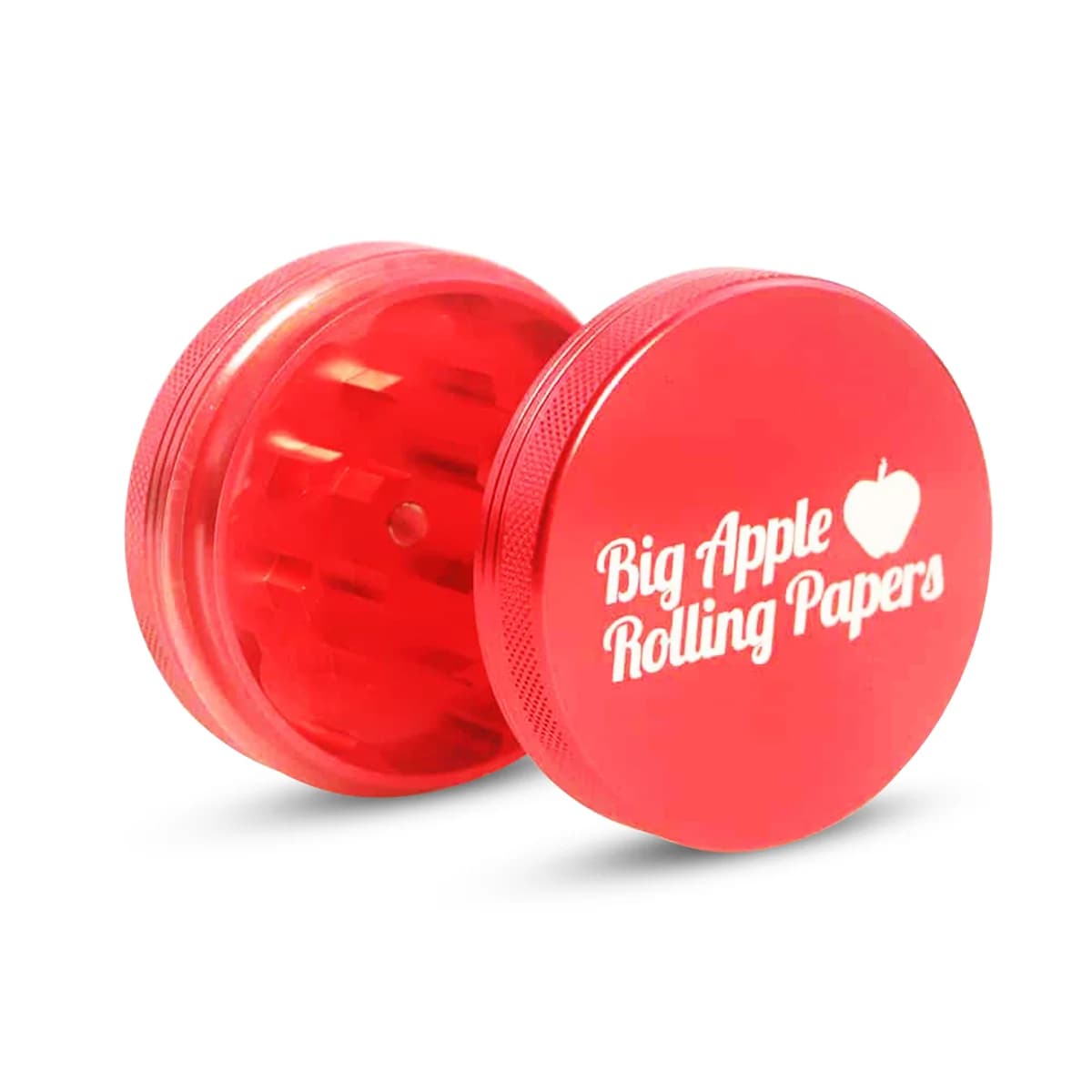
- Custom branded grinders for businesses
Cost Range: $15-50
Verdict: The industry standard size for good reason. If unsure, choose 2-2.5".
Large Grinders (2.5" - 3.5")
For serious users and groups:
Specifications:
- Diameter: 2.5" to 3.5" (63-90mm)
- Height: 2" - 3"
- Weight: 100-150g
- Capacity: 3 - 7g
- Typical design: 4-piece
Advantages:
- High capacity (fewer refills)
- Excellent for group sessions
- Large kief chamber
- Easier grip and leverage
- Impressive presence
- More teeth (50-70+)
- Efficient bulk grinding
Disadvantages:
- Bulky for pocket carry
- Heavier to transport
- Requires more storage space
- Can be harder to twist when completely full
- Higher price point
Ideal Users:
- Heavy daily users
- Group session hosts
- Those who pre-grind for the week
- Home-based use primarily
- Display piece collectors
Best Applications:
- Home coffee table
- Group gatherings
- Batch preparation
- Display piece
- Less frequent portability needs
Cost Range: $25-70
Verdict: Excellent for home use and heavy users, but sacrifices portability.
Extra Large Grinders (3.5"+)
Statement pieces and commercial use:
Specifications:
- Diameter: 3.5" to 5" (90-125mm)
- Height: 3" - 4"+
- Weight: 150-250g+
- Capacity: 7+ grams
- Typical design: 4-piece or specialty
Advantages:
- Maximum capacity
- Impressive conversation piece
- Easiest leverage and grip
- Huge kief chambers
- Most teeth possible (70-100+)
- Pre-grind large quantities
- Collector/display value
Disadvantages:
- Not portable realistically
- Expensive ($40-150+)
- Takes up significant space
- Overkill for most users
- Difficult to fill completely
- Heavy
Ideal Users:
- Collectors
- Display enthusiasts
- Commercial operations
- Group homes/co-ops
- Those who love "go big" mentality
Best Applications:
- Display pieces
- Party centerpieces
- Commercial prep
- Gift for serious enthusiast
- Novelty value
Cost Range: $40-150+
Verdict: More about impressive presence than practical necessity. Fun but not essential.
Matching Size to Use Case
Daily Solo Use
Recommended Size: 2" - 2.5"
Why It Works:
- 1-3 sessions per fill
- Still portable
- Adequate kief collection
- Comfortable daily handling
- Doesn't dominate space
Alternative: 1.5" - 2" if extreme portability important
Occasional/Light Use
Recommended Size: 1.5" - 2"
Why It Works:
- Process only what you need
- Easy to store away
- Lower investment
- Doesn't sit unused
- Perfect for infrequent sessions
Alternative: 2" if planning to increase use
Heavy Daily Use
Recommended Size: 2.5" - 3.5"
Why It Works:
- Less frequent refilling
- Processes more efficiently
- Large kief accumulation
- Handles volume well
- Worth the size trade-off
Alternative: Own multiple - large for home, medium for portability
Group Sessions
Recommended Size: 2.5" - 3.5" minimum
Why It Works:
- Process enough for everyone
- Fewer interruptions to refill
- Impressive centerpiece
- Handles demand
- Social focal point
Alternative: 3.5"+ for regular large groups
Travel & Portability
Recommended Size: 1.5" - 2"
Why It Works:
- Fits in any pocket or bag
- Lightweight for long carry
- Discreet enough
- TSA-friendly size
- Minimal space requirement
Alternative: Grinder card for ultra-portability
Full guide: Portable Grinders for Travel
Home-Only Use
Recommended Size: 2.5" - 3.5"
Why It Works:
- Portability not a concern
- Maximize convenience
- Better kief collection
- More impressive
- Worth the space
Alternative: 3.5"+ if you want statement piece
Business/Promotional
Recommended Size: 2" - 2.5"
Why It Works:
- Universal appeal
- Cost-effective in bulk
- Practical for all customers
- Best surface for logo printing
- Popular size
Business Options: Custom grinders for dispensaries typically use 2-2.5" for broad appeal.
Size and Feature Relationships
Teeth Count by Size
How size affects grinding:
Small Grinders (1.5" - 2"):
- Teeth count: 15-30
- Grind: Medium to coarse
- Efficiency: Multiple passes may be needed
Medium Grinders (2" - 2.5"):
- Teeth count: 30-50
- Grind: Medium to fine
- Efficiency: Good single-pass results
Large Grinders (2.5" - 3.5"):
- Teeth count: 50-75
- Grind: Fine, consistent
- Efficiency: Excellent single-pass
Extra Large (3.5"+):
- Teeth count: 75-100+
- Grind: Very fine
- Efficiency: Maximum performance
Conclusion: Larger grinders generally grind more efficiently due to more teeth and better leverage.
Kief Chamber Size
Collection capacity by size:
Small Grinders:
- Chamber diameter: ~1.25"
- Capacity: 0.25 - 0.5g kief
- Fill time: 2-4 weeks (moderate use)
Medium Grinders:
- Chamber diameter: ~1.75"
- Capacity: 0.5 - 1.5g kief
- Fill time: 3-6 weeks (moderate use)
Large Grinders:
- Chamber diameter: ~2.5"
- Capacity: 1.5 - 3g kief
- Fill time: 6-12 weeks (moderate use)
Extra Large:
- Chamber diameter: 3"+
- Capacity: 3g+ kief
- Fill time: 3-6 months (moderate use)
Conclusion: If kief collection is priority, larger size pays dividends over time.
Learn more: Kief Collection Guide
Portability Impact
Size vs carry convenience:
Pocket Carry Comfort:
- Best: 1.5" - 2" (comfortable)
- Acceptable: 2" - 2.5" (bulges slightly)
- Difficult: 2.5"+ (too bulky)
Bag/Purse Carry:
- All sizes work fine
- Size matters less
- Protection more important
Cup Holder Fit:
- Best: 2.5" - 3"
- Acceptable: 2" - 2.5"
- Too small: Under 2" (falls through)
- Too large: Over 3.5"
Travel Packing:
- Best: 1.5" - 2"
- Acceptable: 2" - 2.5"
- Space consideration: 2.5"+
Hand Size Considerations
Small Hands
Best Sizes: 1.5" - 2.25"
Reasoning:
- Comfortable grip
- Easy twisting leverage
- Won't slip
- Less strain
Avoid: 3"+ may be difficult to grip and turn effectively
Average Hands
Best Sizes: 2" - 2.75"
Reasoning:
- Optimal for most adults
- Good leverage
- Comfortable for extended use
- Universal sizing
Works Fine: All sizes usable
Large Hands
Best Sizes: 2.5" - 3.5"
Reasoning:
- Better grip purchase
- Maximum leverage
- Won't feel cramped
- Proportional to hand size
Avoid: Under 1.5" may be fidgety
Multiple Grinder Strategy
Why Own Multiple Sizes
Different tools for different situations:
The Practical Approach:
- Primary (home): 2.5" - 3" (capacity & performance)
- Portable (travel): 1.5" - 2" (convenience)
- Backup: Small or grinder card (emergency)
Investment:
- Primary: $30-50
- Portable: $15-25
- Backup: $5-15
- Total: $50-90 for complete versatility
Benefits:
- Right tool for every situation
- No compromises
- Backup if one needs cleaning
- Different strains in each
The Two-Grinder System
Most practical setup:
Option 1: Home + Portable
- Large 2.5-3" for home
- Small 1.5-2" for travel
- Covers 95% of needs
Option 2: Daily + Special
- Medium 2-2.5" for daily
- Extra large 3.5"+ for display/groups
- Balance of practical and impressive
Cost: $35-70 total for complete setup
Common Sizing Mistakes
Mistake 1: Buying Too Small
The Problem:
- Constant refilling frustration
- Limited kief collection
- Faster wear from more uses
- Underestimating future needs
Solution: When in doubt, size up one category. Better too large than too small.
Mistake 2: Buying Too Large
The Problem:
- Never actually carry it
- Sits at home unused
- Wasted potential
- Could have saved money
Solution: Honestly assess portability needs before committing to large sizes.
Mistake 3: One-Size-Fits-All Thinking
The Problem:
- Single grinder can't excel at everything
- Compromises in every situation
- Could have optimized
Solution: Consider two grinders for different purposes rather than one compromise.
Mistake 4: Ignoring Hand Size
The Problem:
- Difficult to grip and turn
- Hand fatigue
- Slipping during use
- Poor experience
Solution: Consider your grip and hand size in the decision process.
Mistake 5: Display Over Function
The Problem:
- Bought for impressiveness
- Impractical for actual use
- Becomes shelf piece
- Wasted money on features not used
Solution: Prioritize how you'll actually use it over how it looks unused.
Size and Price Relationship
How Size Affects Cost
General Price Scaling:
Small (1.5" - 2"):
- Budget: $8-15
- Mid-range: $15-25
- Premium: $25-40
Medium (2" - 2.5"):
- Budget: $12-20
- Mid-range: $20-40
- Premium: $40-60
Large (2.5" - 3.5"):
- Budget: $18-30
- Mid-range: $30-50
- Premium: $50-80
Extra Large (3.5"+):
- Budget: $25-40
- Mid-range: $40-70
- Premium: $70-150+
Why Size Increases Cost:
- More material required
- Larger machining setup
- Additional teeth to manufacture
- Bigger kief screens
- More packaging
- Shipping weight
Value Per Square Inch
Interesting analysis:
Small Grinders:
- Surface area: ~3 sq in
- Cost: $20 average
- Cost per sq in: $6.67
Medium Grinders:
- Surface area: ~5 sq in
- Cost: $30 average
- Cost per sq in: $6.00
Large Grinders:
- Surface area: ~8 sq in
- Cost: $45 average
- Cost per sq in: $5.63
Conclusion: Larger grinders often offer better value per material, though practical use matters more than math.
Special Size Considerations
For Arthritis or Hand Issues
Recommended Size: 2.5" - 3"
Why:
- Better leverage (less force needed)
- Easier grip
- Less repetitive motion (more capacity)
- Lower strain
Alternative: Electric grinders eliminate twisting entirely
For Vision Impairment
Recommended Size: 2.5" - 3"+
Why:
- Easier to handle and locate
- More tactile surface
- Harder to lose
- Better grip feedback
For Discretion Needs
Recommended Size: 1.5" - 2"
Why:
- Easily concealed
- Pocket-friendly
- Less conspicuous
- Quiet operation
Alternative: Discreet grinder options
For Display/Collection
Recommended Size: 3" - 5"
Why:
- Visual impact
- Impressive presence
- Showcases quality
- Conversation piece
Size Selection Framework
Step-by-Step Decision Process
Step 1: Determine Primary Use
- Home only? → Consider larger (2.5"+)
- Daily carry? → Choose smaller (1.5" - 2.25")
- Mixed use? → Medium (2" - 2.5")
Step 2: Assess Usage Frequency
- Occasional → Small to medium
- Daily → Medium to large
- Heavy/Commercial → Large+
Step 3: Consider Portability Priority
- High priority → 1.5" - 2"
- Moderate → 2" - 2.5"
- Low priority → 2.5"+
Step 4: Factor Group Use
- Solo only → Any size works
- Occasional groups → 2.5"+
- Regular groups → 3"+
Step 5: Budget Alignment
- Under $25 → Focus on small to medium
- $25-50 → All options available
- $50+ → Premium in any size
Step 6: Hand Size Check
- Small hands → 1.5" - 2.25"
- Average → 2" - 2.75"
- Large → 2.5" - 3.5"
Step 7: Future Planning
- Will usage increase? → Size up
- Uncertain? → Medium (safest bet)
- Sure of needs? → Optimize exactly
Size Recommendations by Profile
The College Student
Best Size: 2" - 2.5"
- Portable for dorm life
- Adequate capacity
- Discreet enough
- Affordable range
The Daily Commuter
Best Size: 1.5" - 2"
- Pocket-friendly
- Low profile
- Sufficient for personal use
- Easy daily carry
The Home Enthusiast
Best Size: 2.5" - 3.5"
- Capacity convenience
- Better kief collection
- Portability not needed
- Premium experience
The Social Host
Best Size: 3" - 3.5"
- Group capacity
- Impressive centerpiece
- Efficient for parties
- Worth the size
The Traveler
Best Size: 1.5" - 2"
- Ultra-portable
- Lightweight
- TSA-friendly
- Minimal space
Detailed guide: Portable Grinders for Travel
The Professional/Medical User
Best Size: 2.5" - 3"
- Efficient preparation
- Reduces frequency
- Comfortable use
- Professional appearance
The Collector
Best Size: Multiple sizes, especially 3"+
- Display value
- Conversation pieces
- Variety in collection
- Show quality
Conclusion: Your Perfect Size
Grinder size significantly impacts your satisfaction and daily experience. The "perfect" size isn't universal - it's personal to your usage patterns, lifestyle, and preferences.
Quick Decision Guide
Choose 1.5" - 2" if:
- Portability is your top priority
- Light to moderate use
- Solo user primarily
- Budget conscious
- Want pocket carry
Choose 2" - 2.5" if:
- Want best all-around balance
- Daily moderate use
- Occasional portability needed
- Most popular size (reason exists)
- Unsure of exact needs
Choose 2.5" - 3.5" if:
- Home use primarily
- Regular to heavy use
- Group sessions common
- Kief collection important
- Portability less crucial
Choose 3.5"+ if:
- Display/collection piece
- Commercial/bulk needs
- Impressive presence desired
- Never need to transport
- "Go big" mentality
The Universal Truth
2" to 2.5" is the sweet spot for most users. If you're uncertain, choose this range. It balances capacity, portability, cost, and performance better than any other size.
Ready to Choose?
Browse grinder collection filtered by your ideal size, or request custom grinders in the perfect diameter for your business needs.
Related Guides:
- Best Weed Grinders 2026
- 2-Piece vs 4-Piece Grinders
- Portable Grinders for Travel
- Electric vs Manual Grinders
- Custom Grinders for Dispensaries
Choose the size that fits your life, not what marketing suggests you need.
Ready to Create Your Custom Grinders?
Put your brand in your customers' hands. Get a free mockup in 24 hours.