Electric Weed Grinders: Complete Guide to Automatic Grinders 2026
Electric Weed Grinders: The Complete Guide for 2026
Electric weed grinders have changed the game for cannabis users who want fast, consistent results without the hand-twisting hassle of traditional grinders. With automatic grinding at the push of a button, these motorized tools are becoming increasingly popular—especially for people with arthritis or anyone who grinds multiple times a day.
This guide covers everything you need to know: how they work, what to look for, and whether they're actually worth the extra money.
What Are Electric Weed Grinders?
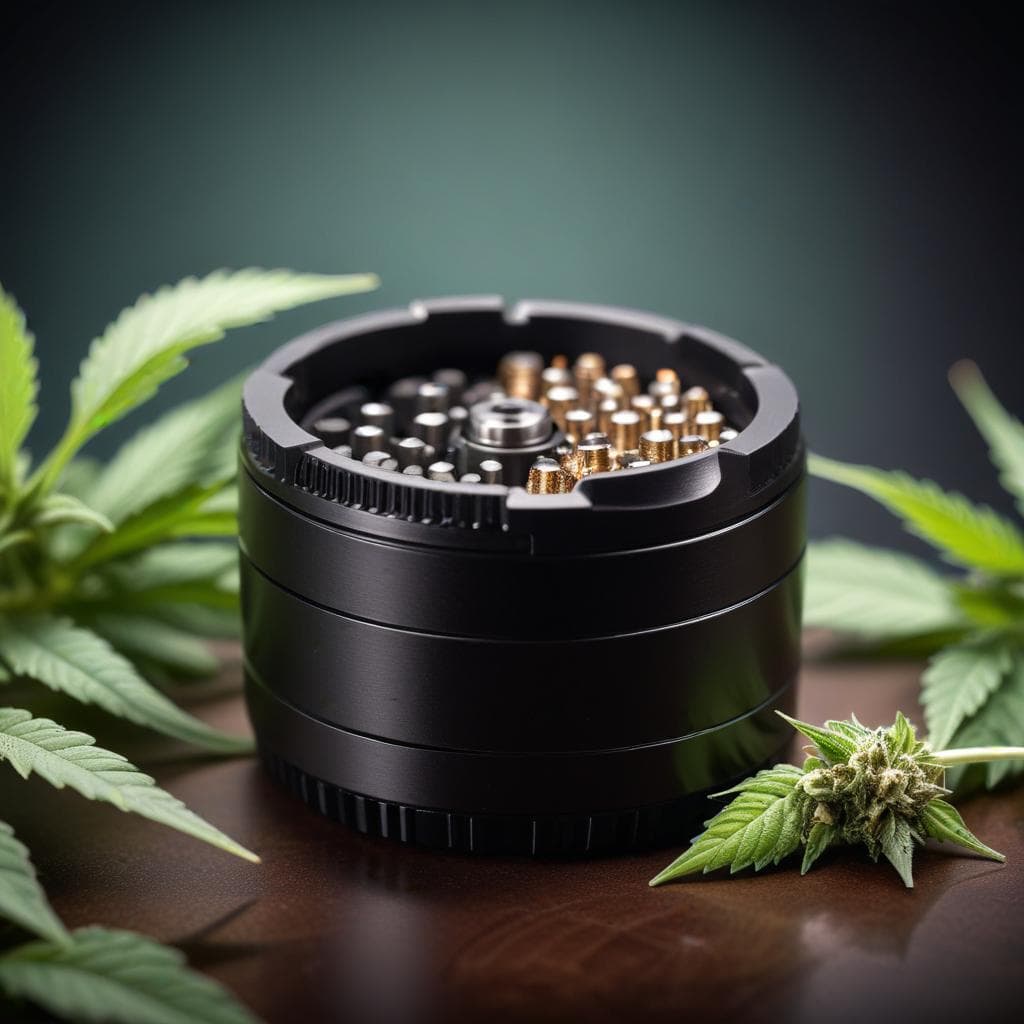
Electric grinders (also called automatic or battery grinders) use a small motor to spin blades or teeth that grind your herbs in seconds. No twisting, no effort—just press a button and you're done.
How They Work
Most electric grinders have these basic parts:
- Electric motor (usually rechargeable via USB)
- Grinding mechanism (spinning blades or rotating teeth)
- Collection chamber for ground material
- Push-button control
- Built-in safety features
The process is simple:
- Load your material into the chamber
- Put the lid on and lock it
- Press and hold the button
- The motor spins the blades at high speed (anywhere from 100-1000+ RPM)
- Your material gets ground in 3-10 seconds
- Open the chamber and you're ready to go
Power Options
Most electric grinders use one of these power sources:
- Rechargeable batteries: The most common option. Charge via USB like your phone
- Replaceable batteries: Some older models use AA or AAA batteries
- Direct USB power: Stays plugged in while you use it
- Hybrid systems: Can run on battery or direct power
Electric vs Manual: What's the Real Difference?
Let's be honest about the pros and cons of each.
Speed
Electric grinders are way faster. A manual grinder takes 30-60 seconds of twisting to get a good grind. An electric grinder does it in 3-10 seconds. If you grind multiple times a day, that time savings adds up.
Consistency
Electric grinders win here too. The motor speed stays the same every time, so you get the same grind whether you're tired, rushing, or just getting started. Manual grinders depend on how much effort you put in, which can vary.
Portability
Manual grinders are smaller, lighter, and don't need charging. They fit in your pocket and work anywhere. Electric grinders are bulkier and you need to keep them charged. For on-the-go use, manual is still better.
Durability
Manual grinders are simpler and last longer. A quality metal manual grinder can last 10+ years. Electric grinders have motors and batteries that eventually wear out—usually after 2-5 years. When they break, you're buying a new one.
Cost
Manual grinders are cheaper upfront and long-term. A decent manual grinder costs $5-60, while electric grinders run $25-80+. Manual grinders rarely need replacing. Electric grinders will eventually die or need a battery replacement.
For a detailed breakdown, check out our Electric vs Manual Grinders comparison.
Why People Love Electric Grinders
No Hand Strain
This is huge for people with arthritis, hand injuries, or repetitive strain issues. Manual grinding can hurt—or be completely impossible—for some users. Electric grinders make cannabis accessible to everyone, regardless of physical ability.
Same Results Every Time
If you're using cannabis medically and need precise dosing, consistency matters. Electric grinders give you the same particle size every time. This is also important for vaping (where grind size affects vapor quality) and making edibles (where even extraction depends on consistent grinding).
Time Saver for Heavy Users
If you grind once or twice a day, you'll save about 5 hours a year with an electric grinder. That might not sound like much, but for people who use cannabis frequently, the convenience is worth it.
Dead Simple to Use
There's no technique to learn. Press button, get ground herb. This makes electric grinders great for first-time users or when you have guests who aren't familiar with traditional grinders.
Keeps Your Hands Clean
You don't touch the material as much, so you don't get sticky residue all over your fingers. Nice if you're about to head out or do something that requires clean hands.
The Downsides of Electric Grinders
Let's talk about the real drawbacks.
They Cost More
A quality electric grinder runs $30-60, while a comparable manual grinder is $15-30. That's 2-3x more expensive. For casual users, it's hard to justify the extra cost.
Battery Anxiety
If your battery dies, your grinder is useless until you charge it. Batteries also degrade over time. After a couple years, you might only get half as many grinds per charge. With a manual grinder, you never have to worry about this.
Less Pocket-Friendly
Electric grinders are bigger and heavier than compact manual grinders. They don't fit in your pocket as easily. If portability matters, manual wins.
They Make Noise
Electric motors buzz. Some are louder than others. If you need to be discreet or don't want to disturb others, the noise can be annoying.
More Parts to Clean
Electric grinders have motors and electrical components that can't get wet. Cleaning is more complicated and time-consuming than wiping down a simple manual grinder.
Types of Electric Grinders
Battery-Powered (Most Common)
These have a rechargeable battery built in. You charge them via USB (usually USB-C on newer models). Most get 20-50 grinds per charge and take 2-4 hours to fully charge. The battery usually lasts 500-1000 charge cycles before it starts to degrade noticeably.
Best for: Regular home use, occasional portability, cord-free convenience.
USB-Powered
These stay plugged into a USB port while you use them. No battery to charge, which means consistent power and lighter weight. The downside is you need to be near a power source.
Best for: Desk setup, dedicated stations, heavy users who don't want to worry about charging.
Automatic Dispensing Grinders
These are premium models that grind and dispense automatically. Some even have portion control settings. They're pricier ($60-150) but offer the ultimate convenience.
Best for: People who want the latest tech, commercial use, or maximum convenience.
Hybrid (Electric + Manual Crank)
These clever designs let you use the electric motor or manually crank if the battery dies. You get the convenience of electric with a manual backup.
Best for: People who want reliability and options.
What to Look For When Buying
Must-Have Features
Motor Quality: Look for a motor that's powerful enough to handle dry material without stalling. Check reviews for mentions of weak grinding performance—that's a red flag.
Battery Life: At minimum, you want 20+ grinds per charge. Serious users should look for 40-50+. Lithium-ion batteries are standard and best.
Grind Consistency: Read reviews to see if the grind is uniform. You want fluffy, evenly-sized particles—not a mix of dust and chunks.
Safety Features: Auto-shutoff prevents overheating. Locking mechanisms prevent accidental activation. These aren't sexy features, but they matter.
Easy Cleaning: Removable parts make cleaning way easier. Some models even have dishwasher-safe chambers. A cleaning brush should be included.
Nice-to-Have Features
Clear Chamber: Being able to see the grinding progress is helpful. It's also just cool to watch.
LED Indicators: Battery level displays, charging status lights, and operation indicators are all useful.
Multiple Speeds: Some grinders let you choose between fine and coarse grinds, or have a pulse mode for more control.
Kief Collection: Most electric grinders don't have this, but a few models do include a separate kief chamber with a screen.
USB-C Charging: Modern standard that's faster and more convenient than micro-USB. Cables are universal and reversible.
Price Ranges and What to Expect
Budget Electric Grinders ($25-35)
At this price point, you're getting basic functionality. The motor is adequate but not powerful. Battery life is usually 15-30 grinds per charge. Build quality is mostly plastic. These typically last about a year with regular use.
Worth it if: You want to try electric grinding without a big investment, or you only grind occasionally.
Not worth it if: You plan to use it daily or want something that lasts more than a year.
Mid-Range Electric Grinders ($40-60)
This is the sweet spot. You get quality construction, better motors, 50-100 grinds per charge, and USB-C charging on most models. These should last 2-3 years. Most include at least a one-year warranty.
Worth it if: You're a regular user who wants reliability and quality.
Best for: Most people who decide to go electric.
Premium Electric Grinders ($60-150+)
Top-tier performance with advanced features like automatic dispensing, precision controls, and 100+ grinds per charge. Superior materials and construction. Should last 3-5 years. Usually come with comprehensive warranties.
Worth it if: You're a heavy daily user, enthusiast, or have specific accessibility needs that justify the investment.
Not worth it if: You're a casual user—the extra features won't matter much.
Featured Product: Diamond Edge 2 Piece Grinder
While electric grinders are great for home use, many people still prefer a quality manual grinder for its reliability and portability. The Diamond Edge 2 Piece Grinder offers premium construction at an accessible price point.
This compact grinder features diamond-cut aluminum construction that's built to last. At 60mm diameter, it's the perfect size for on-the-go use while still handling enough material for sessions. The medium grind texture works well for both rolling and vaping.
Available in silver, gold, and rose gold finishes. For businesses looking for quality branded merchandise, we offer custom options with low minimums starting at just 20 units. Request a free mockup to see your logo on this premium grinder.
Using Your Electric Grinder
Getting Started
First Charge: Fully charge your grinder before first use. This usually takes 1-3 hours depending on the model.
Loading Material: Break up larger pieces by hand first. Don't overfill—aim for about 2/3 full max. Remove stems and seeds. Make sure your material is dry (wet material gums up the mechanism).
Grinding: Put the lid on securely, then press and hold the button. Most materials grind in 3-10 seconds. Start with shorter bursts until you learn your grinder's timing.
Dispensing: Open the chamber carefully (it might pop open if there's a lot of material). Pour or scoop out the ground material onto a rolling tray.
Best Practices
Do:
- Keep the battery topped off between uses
- Clean regularly (see below)
- Use dry material only
- Follow the capacity limits
- Store in a dry place
Don't:
- Overfill the chamber
- Try to grind damp or wet material
- Leave it plugged in 24/7 once it's fully charged
- Force anything if it jams
- Ignore weird noises or smells
Cleaning and Maintenance
Regular Cleaning
How often you clean depends on use:
- Heavy use (daily): Weekly
- Moderate use (few times a week): Every 2-3 weeks
- Light use (occasional): Monthly
Basic Cleaning Process:
- Make sure the grinder is OFF and unplugged
- Empty all material and tap out loose particles
- Use a small brush (a toothbrush works great) to brush out stuck material
- Dampen a cloth with isopropyl alcohol (90%+) and wipe down non-motor surfaces
- Clean blades carefully with a brush and alcohol
- For the motor housing, just use a slightly damp cloth—never submerge it or get it wet
- Let everything dry completely before reassembling
- If parts are removable, you can soak them in alcohol, rinse, and dry thoroughly
Never: Submerge the motor in liquid, use water near electrical parts, or forget to power off first.
Battery Care
Taking care of your battery extends the life of your grinder:
- Charge before the battery is completely dead
- Unplug once it's fully charged (don't leave it on the charger for days)
- If you're not using it for a while, store it at about 50% charge
- Keep it at room temperature—avoid extreme heat or cold
- Use it regularly (at least once a month even if you don't need to)
Batteries naturally degrade. After 2-3 years, expect to get fewer grinds per charge. Some grinders have replaceable batteries, but most don't. When the battery is too degraded to be useful, you'll need a new grinder.
Storage
Store your grinder upright in a dry place at room temperature. If it came with a case, use it—especially for travel. Keep it away from water and extreme temperatures.
Are Electric Grinders Actually Worth It?
Honest answer: It depends on how you use cannabis and what matters to you.
Electric Grinders Make Sense If:
- You grind daily or multiple times a day: The time and effort savings are real
- You have arthritis or hand pain: This is a game-changer for accessibility
- You need consistent results: For medical use, vaping, or edibles
- You can spend $30-60: Quality electric grinders aren't cheap
- You mostly use it at home: Portability isn't a big concern
Stick with Manual Grinders If:
- You grind occasionally: The convenience doesn't justify the cost
- You're on a tight budget: Under $20-25, you're better off with a quality manual grinder
- You travel frequently: Manual grinders are way more portable
- You want something that lasts forever: Manual grinders are more durable
- You prefer simplicity: No batteries, no charging, no complexity
The Cost Reality
Let's look at 5-year costs:
Electric Grinder:
- Initial purchase: $40
- Battery replacement or new grinder (year 3): $40
- Total: $80
- Cost per grind (daily use): $0.04
Quality Manual Grinder:
- Initial purchase: $25
- Replacement: $0 (still works after 10+ years)
- Total: $25
- Cost per grind (daily use): $0.01
Electric costs more, but for daily users who value convenience, it's worth it. For everyone else, manual offers better value.
Custom Electric Grinders for Businesses
Electric grinders work as premium promotional items, but there are some challenges:
- High minimum orders: Usually 25-50+ units minimum
- Expensive: Wholesale cost is $20-35 per unit before customization
- Limited customization options: Fewer suppliers offer branded electric grinders
For most businesses, custom manual grinders make more sense. Lower minimums, better pricing, and more customization options. You can create a complete branded kit with grinders, rolling papers, and rolling trays for less than the cost of custom electric grinders.
That said, if you want to offer electric grinders as premium retail items or VIP gifts, they definitely make an impression. The perceived value is high ($50-80 retail) even though wholesale cost is much lower.
The Future of Electric Grinders
We're seeing some interesting innovations:
Smart features: Bluetooth connectivity, app-based controls, usage tracking, and grind preference saving are showing up in premium models.
Better motors: Quieter operation, longer battery life, faster grinding, and better efficiency.
Material innovations: Self-cleaning mechanisms, antibacterial materials, improved durability, and eco-friendly construction.
Power improvements: Solar charging, wireless charging pads, longer-lasting batteries, and swappable battery packs.
The market is getting more competitive, which means better quality at lower prices. Consumer expectations are also pushing the industry—USB-C is becoming standard, warranties are getting better, and sustainability is becoming a bigger focus.
Buying Checklist
Before you buy an electric grinder, ask yourself:
-
How often will I actually use this?
- Daily/multiple times daily → Electric makes sense
- Weekly or less → Manual is probably better
-
What's my budget?
- Under $30 → Get a quality manual instead
- $30-60 → Good electric grinder range
- $60+ → Premium electric features
-
Where will I mainly use it?
- Home desk → Electric works great
- Traveling frequently → Manual is better
- Both → Consider having both
-
Do I have hand pain or mobility issues?
- Yes → Electric is worth it regardless of price
- No → Base decision on other factors
-
How important is grind consistency?
- Medical dosing/vaping/edibles → Electric preferred
- Recreational use → Either works fine
The Bottom Line
Electric grinders are faster, more consistent, and require zero effort. They're great for daily users, people with hand issues, and anyone who values convenience over portability and cost.
But they're not universally better than manual grinders. They cost more, require charging, and don't last as long. For occasional users or people on a budget, a quality manual grinder is a smarter choice.
The good news is you don't have to choose one forever. Many people have both: electric for home use, manual as a travel backup. Total investment of $60-100 gets you the best of both worlds.
Where to Buy
Buy from established retailers or directly from manufacturers. Look for:
- Clear warranty terms (at least 1 year)
- Good return policy
- Real customer reviews (not all 5-stars)
- Detailed specifications
- Responsive customer service
Avoid marketplace sellers with no brand information, suspiciously low prices ($15-20 for electric), or generic product photos.
Related Guides
- Electric vs Manual Grinders - Direct comparison
- Best Weed Grinders 2026 - All types reviewed
- Grinder Size Guide - Find your size
- How to Clean Your Grinder - Maintenance tips
For businesses looking for promotional grinders, browse our custom grinder collection or request a free mockup to see your logo on quality merchandise.
Ready to Create Your Custom Grinders?
Put your brand in your customers' hands. Get a free mockup in 24 hours.