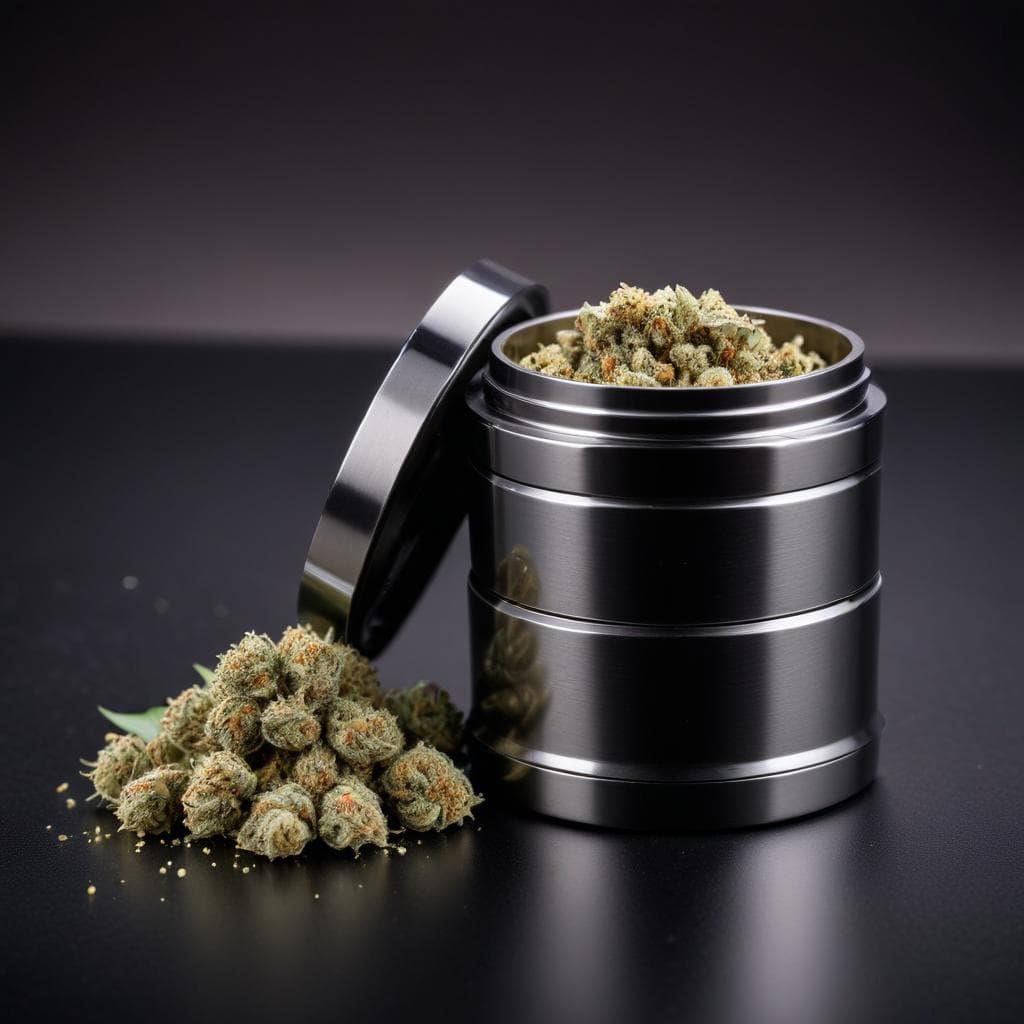
The History of Herb Grinders: From Ancient Tools to Modern Designs
The Origins of Grinding Herbs
Humans have been grinding herbs, spices, and plant materials for thousands of years. The history of herb grinders reflects our ongoing quest for more efficient ways to prepare botanical materials for various uses.
Understanding this history provides perspective on how today's custom grinders evolved into the precision tools we know today.
Ancient Grinding Methods
Mortar and Pestle (10,000+ BCE)
The earliest grinding tools were simple stone mortars and pestles, dating back to prehistoric times. Archaeological evidence shows:
- Stone bowls with grinding depressions found worldwide
- Used for herbs, spices, medicines, and pigments
- Required significant manual effort
- Produced inconsistent results
This basic tool remained the primary grinding method for millennia across virtually every culture.
Grinding Stones and Querns
Ancient civilizations developed flat grinding stones:
- Saddle querns used a back-and-forth motion
- Rotary querns allowed circular grinding
- Large versions ground grains for flour
- Smaller versions processed herbs and medicines
These tools represented early attempts at mechanical advantage in grinding.
Medieval and Colonial Period
Spice Grinders (1400s-1700s)
As global spice trade expanded, specialized grinders emerged:
- Wooden box grinders with metal teeth
- Hand-cranked mechanisms
- Designed primarily for pepper and nutmeg
- Showed early interlocking teeth designs
These spice grinders introduced concepts that would later influence herb grinder development.
Apothecary Tools
Medieval pharmacists and herbalists used:
- Bronze and brass mortars
- Specialized grinding mills
- Precision tools for medicine preparation
- Early quality standards for consistency
Industrial Revolution (1800s)
Mechanization Arrives
The industrial revolution transformed grinding technology:
- Machine-made metal components
- Standardized parts and designs
- Mass production capabilities
- Lower costs for quality tools
Early Metal Grinders
By the late 1800s, metal grinders appeared:
- Cast iron construction
- Interlocking teeth patterns
- Screw-together designs
- More durable than wooden versions
These designs laid the groundwork for modern herb grinders.
The Modern Herb Grinder Era (1960s-2000s)
Counter-Culture Influence
The 1960s cannabis culture created demand for purpose-built herb grinders:
- Borrowed designs from tobacco grinders
- Typically simple 2-piece construction
- Wooden and acrylic options popular
- Often handmade or imported
Aluminum Revolution (1990s)
CNC machining transformed grinder manufacturing:
- Precision-cut aluminum construction
- Sharp, efficient teeth designs
- Anodized finishes for durability
- Consistent quality at scale
The 4-Piece Innovation
The addition of screens and kief catchers revolutionized grinders:
- Multiple chamber designs
- Mesh screens for trichome collection
- Magnetic lids for security
- Premium user experience
Today's 4-piece grinders represent decades of design evolution.
Contemporary Grinder Innovation (2000s-Present)
Material Advancements
Modern grinders use sophisticated materials:
Aircraft-Grade Aluminum
- Lightweight yet durable
- Precision machined
- Accepts anodized finishes
- Standard for quality metal grinders
Medical-Grade Titanium
- Ultra-premium option
- Extremely durable
- Lightweight
- Higher cost
Zinc Alloys
- Heavier feel
- Good durability
- Lower cost than aluminum
- Popular for mid-range grinders
Teeth Design Evolution
Teeth patterns have been optimized:
- Diamond-shaped teeth for efficiency
- Curved teeth for continuous cutting
- Varying teeth counts for different grinds
- Sharp edges with safety considerations
Electric Grinders
Battery-powered grinders emerged:
- Automatic grinding
- Accessibility benefits
- Consistent results
- Premium positioning
The Rise of Custom Branded Grinders
Early Promotional Grinders
As cannabis markets legalized, branded grinders became marketing tools:
- Dispensaries offered logo grinders
- Brands used grinders for customer loyalty
- Event giveaways featured custom designs
- Quality varied significantly
Modern Custom Grinder Industry
Today, companies like MunchMakers provide professional custom grinder services:
- Laser engraving on metal
- Full-color printing on acrylic
- Custom packaging options
- Low minimums for testing
- Fast turnaround times
Custom grinders have become essential marketing tools for cannabis businesses.
How Grinder Design Reflects Cultural Shifts
From Hidden to Celebrated
Grinder design evolution mirrors changing attitudes:
Prohibition Era:
- Discreet, unmarked designs
- Plain functional tools
- Avoided drawing attention
Legalization Era:
- Branded designs celebrated
- Artistic and decorative options
- Status symbol potential
- Marketing opportunity
Quality Expectations Rise
As markets mature, consumers expect:
- Precision engineering
- Durable construction
- Consistent performance
- Aesthetic appeal
The Future of Grinder Design
Emerging Trends
The industry continues evolving:
Sustainability
- Recycled materials
- Eco-friendly manufacturing
- Biodegradable options emerging
Smart Features
- Humidity sensors
- Usage tracking
- Connected devices
Customization
- On-demand personalization
- Limited edition drops
- Artist collaborations
Continued Importance of Custom Branding
As competition increases, custom branded grinders become more important:
- Differentiation from competitors
- Customer loyalty building
- Brand recognition
- Marketing ROI
Why History Matters for Your Brand
Understanding grinder history helps brands make better choices:
Quality Reflects on Your Brand
Modern consumers recognize quality. Cheap grinders with poor teeth or weak screens reflect poorly on your brand.
Design Has Purpose
Every feature exists for a reason. 2-piece grinders offer simplicity; 4-piece grinders provide functionality. Choose based on your audience.
Innovation Continues
Staying current with grinder technology shows your brand understands the market.
Create Your Own Grinder History
Ready to add your brand to grinder history? MunchMakers helps businesses create custom grinders that stand out.
Start Your Custom Project
- Browse our grinder collection
- Request a free mockup
- Review designs with our team
- Place your order
- Join grinder history with your branded product
Complete Your Product Line
Pair grinders with complementary products:
Contact MunchMakers today to discuss your custom grinder project and become part of herb grinder history!
Ready to Create Your Custom Grinders?
Put your brand in your customers' hands. Get a free mockup in 24 hours.